
Introduction
Dispensary zoning attorney services can determine whether your cannabis business succeeds or faces costly delays before opening. Are you worried about zoning restrictions, local permits, or city regulations stopping your dispensary plans? Many cannabis entrepreneurs lose money because they sign leases before understanding municipal zoning laws. A dispensary zoning attorney helps businesses navigate land use restrictions, licensing requirements, compliance regulations, and local ordinances to avoid expensive legal problems. Understanding zoning laws before investing protects your budget, prevents permit denial, and improves approval chances. With proper legal planning, dispensary owners can launch compliant cannabis businesses while avoiding unnecessary risks and financial setbacks.
What Does a Dispensary Zoning Attorney Do?
A dispensary zoning attorney helps cannabis businesses understand zoning regulations, land use laws, licensing rules, and permit requirements before opening operations. Many dispensary owners mistakenly believe state approval automatically allows business activity, but local governments often impose stricter restrictions. A dispensary zoning attorney evaluates whether a property qualifies for cannabis retail operations and ensures compliance with city ordinances. Early legal guidance prevents lease mistakes, protects investments, and strengthens approval opportunities. Businesses working with zoning attorneys often experience smoother licensing processes and fewer unexpected legal complications.
Why Dispensary Zoning Laws Matter
Zoning laws decide where cannabis dispensaries can legally operate, making legal research essential before committing financially. A dispensary zoning attorney helps business owners avoid restricted areas near schools, parks, churches, or residential communities. Imagine leasing a storefront only to discover cannabis retail operations are prohibited in that district. That costly mistake can destroy business momentum and create unnecessary stress. Legal zoning analysis improves site selection while protecting entrepreneurs from compliance failures, denied permits, and expensive business interruptions during launch stages.
How Cannabis Zoning Regulations Work
Cannabis zoning laws differ significantly depending on city and county regulations, creating confusion for many entrepreneurs. A dispensary zoning attorney helps businesses understand local ordinances, zoning districts, permit conditions, and municipal compliance requirements. Some cities permit dispensaries only in industrial zones, while others approve limited retail districts. Understanding local restrictions early helps avoid investing in unsuitable properties. Legal guidance improves planning, strengthens licensing preparation, and reduces uncertainty while building a stable foundation for long term cannabis business success.
Common Zoning Challenges Dispensaries Face
Dispensary owners often face zoning challenges involving buffer restrictions, permit denials, neighborhood objections, and local compliance conflicts. A dispensary zoning attorney helps solve these issues before they threaten business operations. For example, many businesses unknowingly select properties too close to schools or prohibited zones, resulting in rejected applications. Legal professionals review city regulations and identify risks before investments become costly mistakes. Proper planning improves compliance while helping cannabis businesses avoid frustrating delays and legal disputes.
When Should You Hire a Dispensary Zoning Attorney?
Hiring a dispensary zoning attorney before signing a commercial lease often saves cannabis entrepreneurs from expensive setbacks. Many business owners seek legal advice too late after committing to unsuitable properties. A zoning attorney evaluates location eligibility, municipal laws, permit requirements, and operational restrictions before financial investments happen. Think of legal review like inspecting a home before buying it because hidden problems often become expensive later. Early legal support improves confidence, strengthens compliance, and increases approval possibilities.
Understanding Cannabis Buffer Zone Rules
Buffer zone laws create some of the biggest zoning challenges for dispensary owners. A dispensary zoning attorney helps businesses understand required distances involving schools, parks, childcare centers, churches, and residential areas. Even a small measurement issue can determine whether licensing approval happens or fails. Some municipalities calculate property line distance differently, creating confusion for entrepreneurs unfamiliar with local regulations. Legal assistance protects business investments by verifying zoning compliance before leases or property purchases become legally binding commitments.
Can a Dispensary Appeal a Zoning Denial?
Yes, many cannabis businesses can appeal denied zoning decisions with strong legal preparation and strategic guidance. A dispensary zoning attorney represents business owners during hearings, administrative reviews, and appeals involving rejected permits. Sometimes denials happen because of missing documents or neighborhood concerns rather than legal ineligibility. Attorneys strengthen cases through evidence, compliance arguments, and negotiations with municipal officials. Proper representation often increases approval chances while reducing delays that hurt financial planning and operational goals.
How to Choose the Right Dispensary Location
Choosing a dispensary location requires more than customer traffic or affordable rent because zoning compliance matters equally. A dispensary zoning attorney investigates legal restrictions, permit history, nearby properties, and municipal ordinances affecting cannabis operations. Imagine finding the perfect storefront only to learn city regulations prohibit dispensaries there. Legal due diligence prevents wasted investments while improving operational confidence. Smart location planning helps businesses reduce compliance risks and build stronger foundations for long term growth.
Municipal Approval Hearings Explained
Many dispensary owners underestimate how important city hearings become during zoning approval processes. A dispensary zoning attorney helps businesses prepare for public meetings, zoning boards, and city council reviews. Local officials often evaluate traffic concerns, security measures, and neighborhood impact before granting approval. Attorneys help entrepreneurs present stronger legal arguments while addressing community concerns professionally. Effective hearing preparation improves credibility, strengthens permit applications, and increases the likelihood of successfully opening cannabis operations.
State Laws Versus Local Cannabis Rules
Many entrepreneurs misunderstand the difference between state cannabis licensing and local zoning approval requirements. A dispensary zoning attorney explains how cities often create stricter operational standards than state agencies. Receiving a cannabis license does not automatically guarantee permission to operate in every municipality. Local zoning laws may prohibit dispensaries entirely or impose strict limitations. Understanding both state and local regulations reduces legal confusion, protects investments, and strengthens business planning before dispensary launches.
How Attorneys Help With Cannabis Permits
Cannabis permits involve complicated legal requirements that overwhelm many first time dispensary owners. A dispensary zoning attorney assists with zoning verification, legal documentation, compliance paperwork, and municipal submissions to strengthen approval opportunities. Missing deadlines or incomplete forms may create months of delay or licensing denial. Legal professionals simplify communication with city departments and regulatory agencies while improving accuracy. Businesses receiving professional legal support often experience faster approval timelines and stronger compliance outcomes.
The Importance of Reviewing Lease Agreements
Commercial lease agreements often contain hidden risks for cannabis entrepreneurs unfamiliar with zoning requirements. A dispensary zoning attorney reviews lease contracts to confirm dispensary activity legally qualifies before business owners commit financially. Attorneys may negotiate zoning contingency clauses that protect tenants if licensing approvals fail unexpectedly. Without legal review, entrepreneurs risk paying rent on unusable locations. Careful contract planning strengthens financial security while reducing avoidable operational and legal complications.

Managing Community Opposition to Dispensaries
Community resistance frequently becomes a challenge during cannabis zoning approval processes. A dispensary zoning attorney helps businesses respond professionally to concerns involving traffic, safety, neighborhood impact, and public perception. Attorneys prepare evidence supporting compliance and demonstrate how businesses benefit communities through security planning and local economic contributions. Strong communication reduces unnecessary conflict and improves approval confidence. Cannabis entrepreneurs who prepare carefully often experience better outcomes during municipal review processes.
What Are Zoning Variances for Dispensaries?
Zoning variances sometimes allow dispensaries to operate despite technical restrictions involving property limitations or zoning conflicts. A dispensary zoning attorney evaluates whether businesses qualify for legal exceptions under municipal laws. For example, some dispensaries request variances involving parking shortages or minor setback issues. However, approvals depend heavily on persuasive legal preparation and city discretion. Businesses working with experienced attorneys often improve their chances of receiving favorable outcomes during zoning requests.
How Long Does Zoning Approval Usually Take?
Dispensary zoning approval timelines vary depending on city procedures, permit requirements, and hearing schedules. A dispensary zoning attorney helps businesses understand realistic expectations while avoiding unnecessary delays. Some municipalities approve dispensaries quickly, while others require extensive reviews lasting several months. Missing documents or compliance issues may extend waiting periods significantly. Legal preparation improves efficiency and reduces frustration during licensing phases. Understanding realistic timelines helps entrepreneurs plan budgets and business launches more effectively.
Red Flags When Choosing Dispensary Property
Certain warning signs may indicate major legal risks when selecting dispensary property. A dispensary zoning attorney often warns clients about unclear zoning classifications, nearby restricted areas, landlord concerns, or changing municipal laws. A cheap location may seem attractive but become financially devastating if zoning problems emerge later. Legal property evaluations improve decision making while reducing expensive surprises. Businesses prioritizing zoning research usually protect investments and strengthen long term operational success.
The Role of Land Use Compliance
Land use compliance affects nearly every aspect of cannabis dispensary operations and long term business success. A dispensary zoning attorney ensures businesses follow requirements involving parking, signage, security systems, accessibility, and operational restrictions. Compliance failures may trigger fines, permit suspension, or even forced closure. Legal professionals help dispensaries remain compliant while adapting to changing municipal regulations. Strong compliance planning improves stability, reduces risks, and supports profitable business growth.
Why Legal Planning Improves Approval Chances
Successful dispensary approvals rarely happen through luck because strong preparation matters greatly. A dispensary zoning attorney creates customized legal strategies addressing zoning history, permit concerns, neighborhood resistance, and regulatory expectations. Attorneys anticipate problems before they disrupt operations while improving permit quality and hearing preparation. Businesses investing in legal planning often avoid costly mistakes and increase approval confidence. Strategic preparation strengthens licensing outcomes and supports long term operational success.
Mistakes First Time Cannabis Entrepreneurs Make
Many first time cannabis entrepreneurs underestimate zoning challenges and make preventable mistakes during planning stages. A dispensary zoning attorney commonly sees businesses rushing lease agreements, ignoring municipal restrictions, or misunderstanding permit requirements. Entrepreneurs often focus only on location popularity instead of legal eligibility, creating costly setbacks. Learning from others’ experiences helps businesses avoid frustration and financial losses. Early legal guidance improves smarter decision making while strengthening long term dispensary success.
How Zoning Changes Affect Existing Dispensaries
Zoning regulations sometimes change unexpectedly, creating new compliance concerns for existing cannabis businesses. A dispensary zoning attorney helps owners understand whether updated ordinances affect licensing, operational status, or property eligibility. Some municipalities revise cannabis restrictions because of political pressure, community feedback, or policy shifts. Businesses failing to monitor legal updates may face penalties or operational interruptions. Legal professionals help entrepreneurs adapt quickly while protecting investments, maintaining compliance, and supporting long term dispensary stability through changing regulations.
Why Compliance Audits Matter for Cannabis Businesses
Compliance audits help dispensary owners identify legal weaknesses before regulators discover costly problems. A dispensary zoning attorney reviews permits, operational requirements, zoning conditions, and municipal expectations to ensure cannabis businesses remain compliant. Small mistakes involving signage, parking, security, or operational hours sometimes create larger legal complications later. Regular legal audits improve confidence and reduce unnecessary risks. Businesses prioritizing compliance reviews often strengthen operational performance while avoiding expensive penalties or licensing complications.
The Role of Property Inspections in Zoning Approval
Property inspections often determine whether dispensary applications move forward successfully. A dispensary zoning attorney helps businesses prepare for municipal evaluations involving accessibility, safety standards, parking requirements, and operational compliance. Inspectors review whether dispensary properties meet local legal expectations before approvals happen. Missing important requirements may create delays or force expensive modifications later. Legal preparation improves readiness while helping entrepreneurs address concerns early and strengthen overall approval opportunities during licensing reviews.
How Population Density Influences Dispensary Approval
Population density sometimes impacts where cannabis dispensaries receive approval because municipalities consider community impact carefully. A dispensary zoning attorney helps businesses understand how local planning departments evaluate density, customer traffic, and neighborhood suitability. Areas with high residential concentration may face stricter cannabis restrictions than commercial districts. Entrepreneurs researching these factors early reduce unnecessary risk and improve planning decisions. Strong legal guidance supports smarter location choices while improving approval confidence and long term operational stability.
Can Multiple Dispensaries Operate in One Area?
Some cities limit how many dispensaries may operate within specific zones or districts. A dispensary zoning attorney reviews municipal caps, spacing rules, licensing competition, and market restrictions affecting business opportunities. Entrepreneurs sometimes invest heavily without understanding location saturation or local permit limits. Legal research helps businesses avoid crowded markets and identify stronger commercial opportunities. Understanding municipal competition rules improves strategic planning while increasing the likelihood of successful dispensary approval and profitability.
Why Signage Laws Matter for Dispensaries
Cannabis businesses often overlook signage laws, but zoning violations involving advertisements can create penalties quickly. A dispensary zoning attorney explains legal restrictions affecting business signs, storefront displays, branding visibility, and promotional materials. Municipalities frequently regulate cannabis marketing differently than traditional retail businesses. Noncompliance may trigger fines or licensing concerns. Legal guidance helps dispensaries balance effective branding with regulatory compliance while maintaining professional visibility and avoiding avoidable operational setbacks in competitive markets.
How Traffic Studies Affect Approval Decisions
Municipal officials often review traffic concerns before approving dispensary operations in busy commercial areas. A dispensary zoning attorney helps businesses understand whether traffic impact studies become necessary during zoning applications. Local governments may evaluate customer volume, parking congestion, and roadway accessibility before issuing permits. Strong preparation improves credibility and reduces community concerns during hearings. Entrepreneurs addressing transportation concerns early often experience smoother approval processes while strengthening operational planning for future business success.
What Happens During Zoning Board Meetings
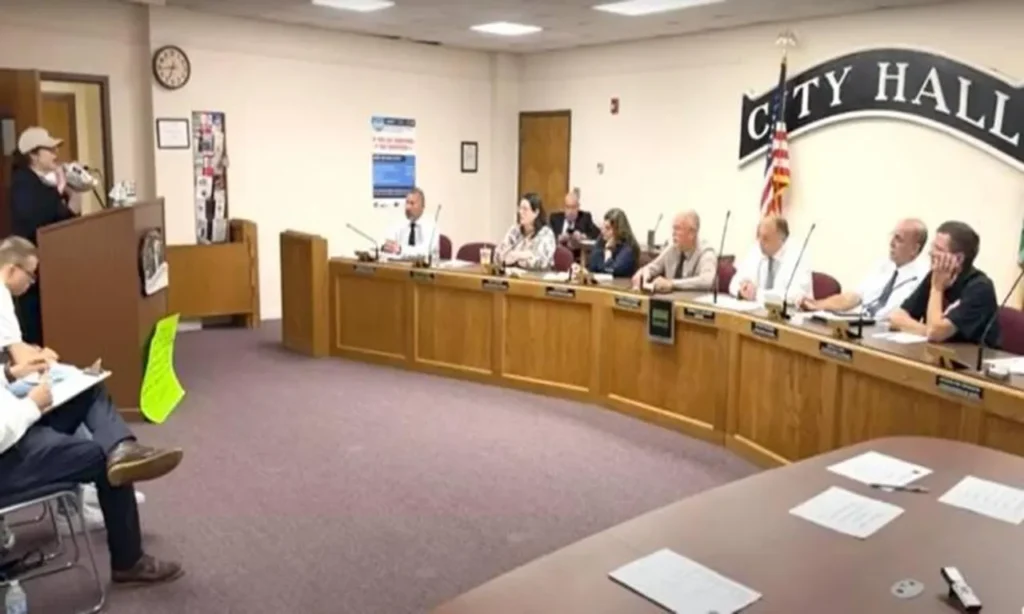
Zoning board meetings allow city officials to evaluate whether cannabis businesses meet legal requirements and community expectations. A dispensary zoning attorney helps entrepreneurs prepare presentations, legal arguments, and compliance evidence before appearing before officials. Questions often involve neighborhood impact, operational security, customer safety, and zoning compliance. Businesses entering meetings without preparation sometimes struggle to address concerns effectively. Professional legal support improves communication while strengthening approval chances during critical decision making stages.
How Dispensary Owners Avoid Permit Delays
Permit delays frustrate many cannabis entrepreneurs because small mistakes often slow approval timelines dramatically. A dispensary zoning attorney helps businesses avoid delays by reviewing applications carefully, verifying compliance, and organizing legal documentation properly. Missing permits, inaccurate paperwork, or zoning misunderstandings commonly create setbacks lasting months. Early legal planning improves organization while reducing stress throughout licensing phases. Businesses prioritizing preparation often experience faster approvals and stronger operational readiness before launch.
The Benefits of Early Legal Consultation
Meeting a dispensary zoning attorney early often prevents costly mistakes before they happen. Entrepreneurs frequently wait until problems appear, but proactive legal planning improves decision making significantly. Attorneys evaluate zoning eligibility, municipal restrictions, licensing expectations, and business risks before investments become binding. Think of legal guidance as preventive protection rather than emergency support because avoiding problems costs less than fixing them later. Early planning strengthens compliance while improving approval confidence.
How Cannabis Businesses Stay Legally Protected
Legal protection requires more than licensing because cannabis businesses face changing municipal regulations constantly. A dispensary zoning attorney helps entrepreneurs maintain compliance through operational reviews, zoning monitoring, and permit updates. Businesses ignoring legal obligations may encounter penalties, permit suspension, or operational restrictions unexpectedly. Ongoing legal support strengthens stability while helping owners respond quickly to regulatory changes. Smart compliance strategies improve long term security and reduce avoidable business disruptions significantly.
The Financial Impact of Zoning Mistakes
Zoning mistakes create expensive setbacks affecting cannabis entrepreneurs financially and emotionally. A dispensary zoning attorney helps businesses avoid lease losses, denied permits, property disputes, and delayed openings caused by compliance failures. Entrepreneurs sometimes spend thousands renovating unsuitable locations before learning zoning restrictions prevent operations entirely. Legal planning reduces uncertainty while improving smarter investment decisions. Businesses protecting themselves through proper zoning review usually experience stronger financial stability and better long term opportunities.
How Local Politics Influence Cannabis Zoning
Political leadership often shapes municipal attitudes toward cannabis businesses and zoning approvals. A dispensary zoning attorney helps entrepreneurs understand how policy shifts, elections, and local leadership priorities may affect permit opportunities. Some municipalities become more supportive of cannabis markets while others impose stricter restrictions suddenly. Businesses monitoring political changes early reduce unexpected risks and improve long term planning. Legal guidance helps entrepreneurs adapt strategies while maintaining stronger operational confidence.
Why Business Planning and Zoning Work Together
Business planning and zoning compliance should always happen together rather than separately. A dispensary zoning attorney helps entrepreneurs align commercial goals with municipal expectations, licensing requirements, and legal restrictions. Entrepreneurs focusing only on profits without compliance planning often experience setbacks later. Strong legal preparation supports smarter budgeting, realistic timelines, and stronger operational strategies. Businesses combining planning with legal compliance often build stronger foundations for lasting success in competitive cannabis industries.
How Cannabis Entrepreneurs Build Stronger Applications
Strong dispensary applications usually result from preparation rather than luck. A dispensary zoning attorney strengthens licensing packages by organizing compliance documents, addressing zoning concerns, and anticipating municipal objections early. City officials often favor applicants demonstrating professionalism, transparency, and legal readiness. Weak applications may trigger delays or rejection because of incomplete planning. Legal support improves presentation quality while helping entrepreneurs increase approval confidence and business credibility significantly.
Understanding Property Use Restrictions
Property use restrictions frequently surprise cannabis entrepreneurs unfamiliar with zoning details. A dispensary zoning attorney reviews land use limitations, deed restrictions, lease agreements, and municipal ordinances affecting dispensary eligibility. Some properties appear compliant initially but contain hidden legal limitations preventing cannabis operations. Careful legal analysis helps businesses avoid expensive surprises and improve confidence during commercial property selection. Smart due diligence protects investments while supporting long term operational security.
The Value of Professional Zoning Research
Professional zoning research gives dispensary businesses stronger legal protection before financial commitments happen. A dispensary zoning attorney investigates municipal rules, property eligibility, permit expectations, and local restrictions affecting cannabis operations. Entrepreneurs relying only on assumptions often experience unnecessary setbacks or denied approvals. Research improves confidence and reduces expensive surprises. Businesses prioritizing legal evaluation usually strengthen approval opportunities while protecting financial investments and operational timelines more effectively.
Why Long Term Compliance Planning Matters
Long term success requires ongoing compliance because cannabis regulations continue changing frequently. A dispensary zoning attorney helps businesses maintain operational standards involving permits, signage, parking, security, and municipal expectations. Businesses ignoring legal maintenance often face fines, investigations, or licensing complications later. Strategic planning supports stronger operational stability while protecting investments over time. Entrepreneurs prioritizing compliance usually experience smoother business growth and reduced legal stress significantly.
How Dispensaries Prepare for Future Expansion
Many successful cannabis entrepreneurs eventually consider expansion into new markets or locations. A dispensary zoning attorney helps businesses evaluate legal opportunities, zoning eligibility, and licensing expectations before growth decisions happen. Expansion without legal planning increases financial risks and approval uncertainty. Entrepreneurs researching compliance early often identify stronger commercial opportunities and reduce unnecessary setbacks. Legal preparation improves scalability while strengthening confidence in long term cannabis business growth.
Preparing for Sustainable Cannabis Business Success
Building sustainable cannabis success requires legal preparation, zoning awareness, and thoughtful business planning. A dispensary zoning attorney helps entrepreneurs understand compliance risks while creating stronger foundations for future growth. Businesses investing in legal guidance often avoid preventable mistakes involving permits, property, and municipal restrictions. Long term success happens when entrepreneurs prioritize preparation rather than shortcuts. Strategic legal support strengthens operational confidence, protects investments, and improves profitability in evolving cannabis markets.
How Technology Is Changing Cannabis Zoning
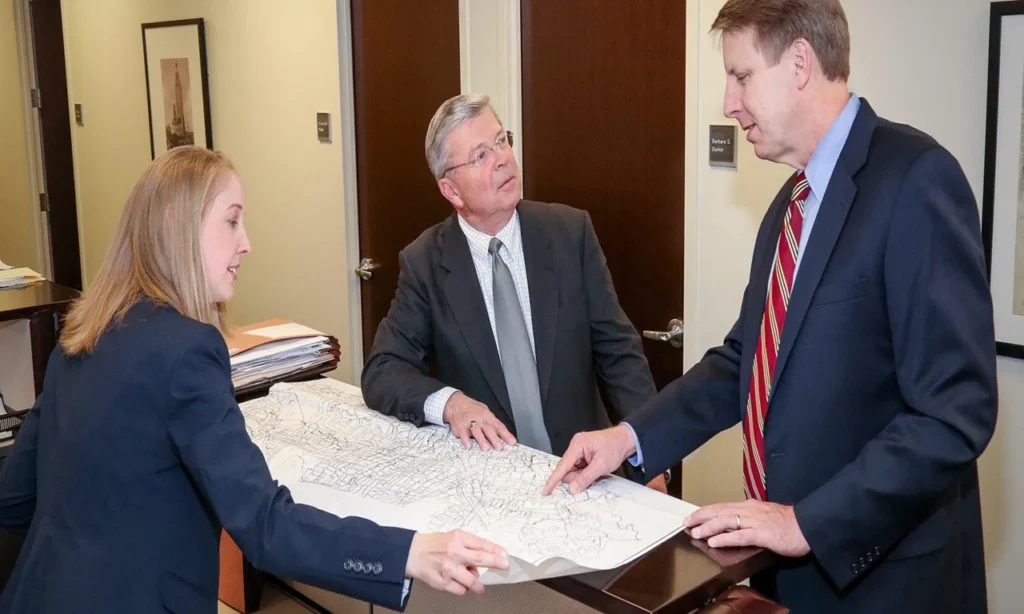
Technology continues reshaping cannabis compliance and zoning research for entrepreneurs nationwide. A dispensary zoning attorney now uses digital zoning maps, compliance tracking tools, and municipal databases to help businesses make smarter decisions faster. Entrepreneurs benefit from quicker legal research and improved property evaluations before financial commitments happen. Technology reduces confusion while strengthening operational planning. Businesses embracing digital compliance tools often improve efficiency, avoid preventable mistakes, and strengthen approval opportunities in competitive cannabis markets.
The Future of Dispensary Zoning Regulations
Cannabis zoning regulations will likely continue evolving as more states expand legalization and municipalities adjust policies. A dispensary zoning attorney helps entrepreneurs stay prepared for legal shifts involving licensing, property restrictions, and municipal compliance expectations. Future regulations may create stronger business opportunities while introducing new operational standards. Entrepreneurs staying informed improve flexibility and reduce unnecessary setbacks. Legal preparation helps businesses adapt faster while protecting long term profitability and operational confidence.
Expert Tips for First Time Dispensary Owners
First time dispensary owners often succeed faster when they focus on preparation instead of rushing investments. A dispensary zoning attorney recommends researching municipal rules, verifying zoning eligibility, reviewing lease agreements, and preparing realistic timelines before opening plans begin. Entrepreneurs who prioritize compliance early avoid expensive mistakes and unnecessary stress later. Smart planning builds stronger confidence while improving approval opportunities. Businesses making informed legal decisions usually experience smoother launches and stronger operational stability.
Mistakes to Avoid Before Opening a Dispensary
Many dispensary entrepreneurs make avoidable mistakes involving rushed leases, poor legal research, ignored compliance requirements, and unrealistic expectations. A dispensary zoning attorney helps businesses identify risks before investments become costly setbacks. Entrepreneurs sometimes choose attractive properties without verifying cannabis eligibility, resulting in denied permits and financial losses. Careful legal planning reduces frustration and strengthens approval confidence. Avoiding common mistakes improves business stability while helping entrepreneurs build stronger foundations for long term success.
Final Thoughts on Hiring a Dispensary Zoning Attorney
Hiring a dispensary zoning attorney often becomes one of the smartest investments cannabis entrepreneurs make before launching operations. Legal professionals help businesses navigate zoning laws, municipal restrictions, permit requirements, and compliance obligations confidently. Entrepreneurs who seek guidance early usually avoid expensive mistakes and strengthen licensing opportunities significantly. Strong legal planning supports smoother business growth while protecting financial investments. Businesses prioritizing compliance and legal preparation often experience stronger confidence and better long term success.
FAQs
What does a dispensary zoning attorney do?
A dispensary zoning attorney helps cannabis businesses understand zoning laws, secure permits, review property eligibility, and comply with municipal regulations before opening operations.
When should I hire a dispensary zoning attorney?
You should hire a dispensary zoning attorney before signing a lease or purchasing commercial property to avoid expensive zoning mistakes and denied approvals.
Can a dispensary operate anywhere with a cannabis license?
No, state cannabis licensing does not automatically guarantee local approval. A dispensary zoning attorney helps ensure compliance with city zoning restrictions.
Can a dispensary zoning denial be appealed?
Yes, many denied applications can be appealed with proper legal preparation, stronger documentation, and municipal hearing representation.
Why are buffer zones important for dispensaries?
Buffer zones restrict dispensary locations near schools, parks, churches, and residential areas. Violations often result in denied permits.
How long does dispensary zoning approval take?
Approval timelines vary by city and municipality. Some approvals take weeks, while others require months because of hearings and compliance reviews.
How much does a dispensary zoning attorney cost?
Costs vary depending on legal complexity, permit issues, municipal requirements, and business location. Early legal support often saves money long term.
Conclusion
Opening a cannabis business without understanding local zoning laws can create expensive setbacks and legal complications. A dispensary zoning attorney helps entrepreneurs navigate municipal restrictions, zoning approvals, permit requirements, and compliance obligations before financial commitments happen. Businesses that prioritize legal planning often experience smoother licensing, fewer delays, and stronger operational stability. Early legal guidance protects investments while reducing uncertainty throughout the approval process. Whether you are choosing a property, responding to permit concerns, or planning long term growth, experienced legal support improves confidence and decision making. Ready to protect your dispensary investment and avoid costly mistakes before launching your cannabis business?